Why Hack Is the Perfect Handwritten Font for Your Next Creative Project
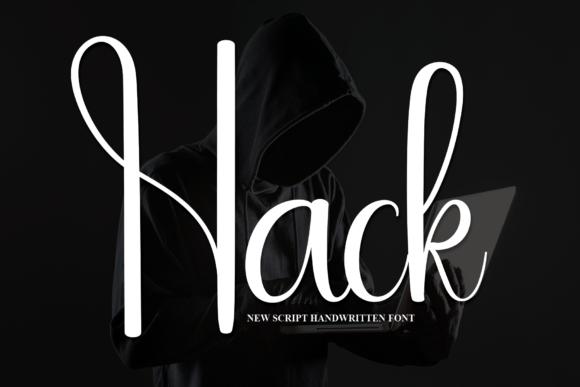
There is a distinct warmth that comes from handwritten text. In an era dominated by sterile, geometric sans-serifs and rigid corporate typefaces, the human touch has become a premium asset in design. This is where Hack steps in. It isn’t just another script font; it is a sweet, handwritten typeface that balances friendliness with legibility, making it an exceptional choice for designers who want to inject personality into their work without sacrificing readability.
If you have been searching for a font that feels approachable, cute, and genuinely inviting, Hack offers a solution that bridges the gap between casual charm and professional polish. But beyond its aesthetic appeal, understanding how to leverage this font effectively can transform ordinary designs into memorable experiences. Let’s explore how Hack fits into real-world design scenarios and why it might be the missing piece in your creative toolkit.
The Psychology of Friendly Typography
Before diving into specific use cases, it is helpful to understand why a font like Hack works so well. Typography is not just about conveying words; it is about conveying tone. When a viewer sees a sharp, angular font, they often perceive authority, seriousness, or modernity. Conversely, when they encounter a soft, flowing handwritten style, the immediate emotional response is one of comfort and intimacy.
Hack capitalizes on this psychological trigger. Its irregular strokes and organic curves mimic the natural variation of human handwriting. This makes it ideal for contexts where you want to lower barriers and create a sense of connection. Whether you are designing for a brand that wants to appear accessible or creating personal stationery that needs to feel heartfelt, the "cute" factor of Hack does heavy lifting. It signals to the audience that the content is safe, friendly, and crafted with care.
Elevating Wedding Invitations and Event Stationery
Perhaps the most natural home for Hack is in the world of weddings and special events. Couples today are moving away from ultra-formal, traditional invitations in favor of designs that reflect their personalities. A wedding is a celebration of love, and the typography should mirror that joy.
Using Hack for the names of the couple or the main header of an invitation adds a whimsical, romantic touch. Because it is a handwritten font, it avoids the stiffness of classic calligraphy while maintaining elegance. Imagine a minimalist invitation with plenty of white space, where the date and venue are set in a clean sans-serif, but the phrase "Together with their families" is rendered in Hack. The contrast creates visual interest and highlights the emotional core of the message.
Beyond the main invitation, Hack shines on accompanying materials. Think of place cards, menu headers, or thank-you notes. These smaller touchpoints benefit immensely from a font that feels personal. Guests picking up a menu with handwritten-style headers feel a sense of curated hospitality rather than mass-produced uniformity.
Branding for Lifestyle and Creative Businesses
For entrepreneurs in the lifestyle, beauty, baking, or crafting industries, brand identity is everything. These sectors thrive on authenticity and personal connection. A bakery selling artisanal cookies or a boutique offering handmade jewelry needs a visual language that says "made with love," not "manufactured in a factory."
Hack is an excellent candidate for logos, packaging, and social media graphics in these niches. For instance, a small business selling organic skincare could use Hack for product labels to emphasize the natural, hand-blended quality of their goods. The font’s friendly nature aligns perfectly with brands that prioritize community and transparency.
Moreover, using Hack in digital marketing materials—such as Instagram stories or Pinterest pins—can increase engagement. Social media users scroll quickly, and a handwritten font stops the eye. It feels less like an advertisement and more like a note from a friend. This subtle shift in perception can significantly improve click-through rates and brand loyalty.
Adding Warmth to Educational and Children’s Materials
While often associated with romance or lifestyle, Hack has practical applications in education and children’s design. Teachers and educational content creators constantly look for resources that feel welcoming rather than intimidating. A worksheet or a classroom poster set in a rigid typeface can feel cold to young learners.
By incorporating Hack into headings or instructional text, educators can create a softer, more encouraging environment. It is particularly effective for early childhood education materials, where the goal is to make learning feel like play. The "cute" aspect of the font resonates with children, making the material appear approachable. However, it is crucial to use it sparingly in long bodies of text, as handwritten fonts can be harder to read in large blocks. Using Hack for titles, questions, or key takeaways ensures clarity while maintaining that friendly vibe.
Practical Considerations for Using Hack
While Hack is versatile, successful implementation requires thoughtful application. Here are some practical considerations to keep in mind to ensure your designs remain effective:
- Pairing is Key: Handwritten fonts rarely stand alone effectively in complex layouts. Pair Hack with a simple, neutral sans-serif or a classic serif font. This contrast ensures that the handwritten elements pop without overwhelming the reader. For example, use Hack for headlines and a clean sans-serif for body copy.
- Legibility Checks: Always test your design at various sizes. What looks charming and readable on a large desktop screen might become illegible on a mobile device or when printed on a small business card. Ensure that the intricate details of the handwriting do not blur or merge when scaled down.
- Context Matters: While Hack is friendly, it may not be suitable for highly formal or corporate environments. Avoid using it for legal documents, financial reports, or brands that need to project strict authority. Knowing when not to use a font is just as important as knowing when to use it.
- Color and Background: Handwritten fonts often rely on stroke contrast. Placing Hack on a busy background can make it disappear. Use high-contrast color combinations, such as dark text on light backgrounds, to maintain clarity. If you must use it on a textured background, consider adding a subtle drop shadow or outline to separate the letters from the noise.
Enhancing Digital User Experience
In web design, typography plays a critical role in user experience (UX). While body text on websites is typically reserved for highly readable system fonts, Hack can be used strategically to enhance the emotional tone of a site. Consider using it for call-to-action buttons, testimonials, or section dividers.
For example, a coaching website might use Hack for client testimonials. The handwritten style reinforces the idea that these are real, personal voices, adding credibility and warmth to the social proof. Similarly, a newsletter signup form with a headline in Hack can feel more like an invitation and less like a data capture tool, potentially increasing conversion rates.
Finding Inspiration in Everyday Design
To get the most out of Hack, look beyond traditional design templates. Observe how handwritten notes are used in everyday life. Think about the charm of a handwritten recipe card passed down through generations or the personal note tucked into a gift box. These real-world examples highlight the power of handwriting to convey care and attention.
Try experimenting with Hack in unexpected places. Use it for photo captions in a digital portfolio, for highlighting key quotes in a blog post, or even for creating custom stickers and decals. The flexibility of this font allows it to adapt to various mediums, from print to pixel.
Ultimately, Hack is more than just a collection of letters; it is a tool for communication. It allows designers to bypass the coldness of digital perfection and connect with audiences on a human level. By understanding its strengths and applying it with intention, you can create designs that are not only visually appealing but also emotionally resonant. Whether you are planning a wedding, building a brand, or creating educational content, Hack offers the perfect blend of sweetness and functionality to bring your vision to life.