Elevating Visual Identity with the Holyplan Script Font
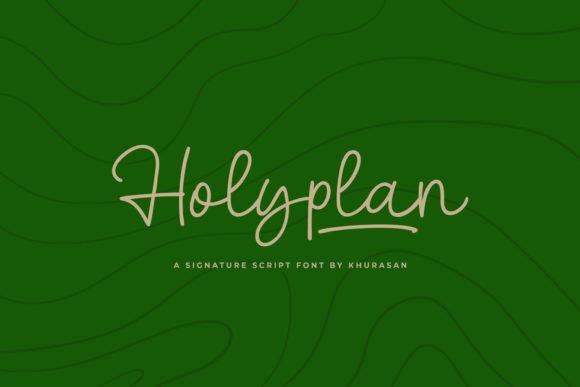
In the saturated landscape of digital design and print media, typography serves as the silent ambassador of a brand. It is not merely about legibility; it is about emotion, tone, and identity. Among the myriad of typefaces available to modern creators, Holyplan has emerged as a distinctive choice for those seeking to blend elegance with contemporary flair. This clean, stylish, and modern script font offers a unique balance between artistic expression and functional clarity, making it an invaluable asset for designers, marketers, and content creators alike.
Understanding why a specific typeface like Holyplan resonates with audiences requires a deep dive into the psychology of script fonts and their application in professional contexts. Unlike rigid sans-serif or traditional serif fonts, script typefaces mimic the flow of human handwriting, introducing a layer of personalization and warmth that sterile geometric fonts often lack. However, not all script fonts are created equal. Many suffer from poor readability or excessive ornamentation that distracts rather than enhances. Holyplan distinguishes itself by maintaining a streamlined aesthetic that remains sophisticated without sacrificing utility.
The Aesthetic Architecture of Modern Script Typography
To appreciate the value of Holyplan, one must first understand the structural elements that define high-quality script typography. A successful modern script font must navigate the delicate tension between fluidity and structure. Holyplan achieves this through carefully calibrated stroke weights and consistent baseline alignment. The result is a typeface that feels organic and hand-lettered, yet retains the precision required for professional reproduction across various media formats.
The elegance of Holyplan lies in its versatility. It is designed to be clean, meaning it avoids unnecessary swashes or decorative flourishes that can clutter a design. This minimalism allows the font to integrate seamlessly into diverse visual hierarchies. Whether used as a dominant headline or a subtle accent, it commands attention without overwhelming surrounding elements. For graphic designers, this characteristic reduces the cognitive load during the layout process, allowing for faster iteration and more cohesive final products.
Key Characteristics for Professional Application
- Legibility: Despite its cursive nature, Holyplan maintains distinct letterforms, ensuring that text remains readable even at smaller sizes or when viewed from a distance.
- Modern Sensibility: The font avoids archaic calligraphic styles, opting instead for a contemporary look that aligns with current design trends in minimalism and luxury branding.
- Adaptability: Its neutral yet stylish personality allows it to pair effectively with a wide range of secondary fonts, from bold sans-serifs to classic serifs.
Strategic Use Cases Across Industries
The practical application of Holyplan extends far beyond simple decorative purposes. Its ability to convey sophistication makes it particularly effective in industries where perception of quality and trust is paramount. By incorporating Holyplan into their visual assets, businesses can subtly communicate values of craftsmanship, attention to detail, and premium service.
Branding and Logo Design
In logo design, the choice of typography can define a brand’s entire personality. Holyplan is exceptionally well-suited for logos in the beauty, fashion, and lifestyle sectors. These industries often rely on visual cues that suggest elegance and exclusivity. A logo utilizing Holyplan can instantly elevate a brand’s perceived value, suggesting a bespoke or artisanal approach to products. For example, a boutique skincare line might use Holyplan for its primary logotype to evoke feelings of natural purity and gentle care, contrasting effectively with clean, clinical packaging designs.
Editorial and Publishing
Magazines, book covers, and editorial layouts benefit significantly from the narrative quality of script fonts. Holyplan serves as an excellent tool for creating visual hierarchy in publications. When used for chapter titles, pull quotes, or section headers, it breaks the monotony of body text and guides the reader’s eye through the content. In book cover design, particularly for genres such as romance, self-help, or literary fiction, Holyplan can convey the emotional tone of the narrative before the reader even opens the book. Its stylish appearance ensures that the cover stands out on both physical shelves and digital thumbnails.
Digital Marketing and Social Media
In the fast-paced environment of social media, visuals must capture attention within seconds. Holyplan is ideal for creating engaging graphics for platforms like Instagram, Pinterest, and Facebook. Whether used in promotional banners, quote cards, or story highlights, the font adds a touch of professionalism and aesthetic cohesion to a brand’s feed. Its modern style resonates with younger demographics who value authenticity and visual appeal. Furthermore, because Holyplan is designed to be clean, it remains legible on mobile screens, where space is limited and readability is crucial.
Implementing Holyplan in Creative Workflows
Integrating a new typeface into a design workflow requires more than just installation; it demands an understanding of typographic best practices. To maximize the impact of Holyplan, designers should consider spacing, contrast, and color theory. Because script fonts rely on the connection between letters, kerning and tracking adjustments are often necessary to ensure optimal flow. Holyplan is engineered to minimize these issues, but fine-tuning may still be required for specific custom applications.
One effective strategy is to use Holyplan in combination with a robust sans-serif font. This pairing creates a dynamic contrast between the organic, flowing lines of the script and the structured, geometric lines of the sans-serif. This juxtaposition not only enhances visual interest but also improves overall readability. For instance, in a poster design, Holyplan could be used for the main headline to draw attention, while a clean sans-serif handles the informational details such as dates, locations, and descriptions.
Considerations for Print and Digital Media
When preparing files for print, it is essential to ensure that Holyplan is rendered at a high resolution to preserve the smoothness of its curves. Vector formats are preferred to avoid pixelation, especially for large-format prints like banners and billboards. In digital environments, web font optimization is key. Ensuring that the font loads quickly and renders correctly across different browsers and devices will maintain the integrity of the design. Holyplan’s clean structure makes it relatively lightweight and efficient for web use, contributing to better page load times and user experience.
The Psychological Impact of Elegant Typography
Typography influences how users perceive and interact with content. Studies in consumer psychology suggest that elegant, script-based fonts can evoke feelings of trust, sophistication, and emotional connection. When consumers encounter Holyplan in a marketing context, they are subconsciously associating the brand with qualities such as refinement and care. This emotional resonance can be a powerful driver of engagement and conversion.
For educators and researchers, the use of such fonts in presentations and publications can enhance the perceived authority and professionalism of the material. While academic rigor relies on content, the presentation of that content matters. Using Holyplan for titles and headings in research posters or educational materials can make complex information feel more approachable and visually engaging, thereby facilitating better comprehension and retention among audiences.
Why Holyplan Stands Out in a Crowded Market
The typography market is flooded with options, ranging from free, low-quality downloads to expensive, specialized licenses. Holyplan positions itself as a premium yet accessible solution for creators who demand quality without compromise. Its development focuses on the specific needs of modern designers: versatility, readability, and aesthetic appeal. Unlike many script fonts that are limited to niche applications, Holyplan is designed to be a workhorse in the designer’s toolkit, capable of adapting to a incredibly large set of projects.
By choosing Holyplan, creators are not just selecting a font; they are investing in a design element that enhances the overall quality of their work. Whether you are designing a wedding invitation, a corporate annual report, or a social media campaign, Holyplan provides the stylistic flexibility needed to bring your creative ideas to life. Its ability to stand out while remaining harmonious with other design elements makes it a timeless choice for those who value both form and function.
In conclusion, the integration of Holyplan into your design repertoire offers a pathway to more compelling, emotionally resonant, and visually striking communications. As the demand for high-quality, authentic visual content continues to grow, tools like Holyplan empower creators to meet these expectations with confidence and style. By understanding its characteristics and applying it strategically, professionals across various fields can leverage the power of elegant typography to elevate their brands and connect more deeply with their audiences.